
Your lease is coming up and you’re wondering — should I renew or find someone new? The answer is almost always to renew, but at the right rate and with the right documentation. Here’s why the math almost always favors keeping a good tenant.
Renewing Your Tenant vs. Finding a New One: The Math Every Landlord Should Know

Your lease is coming up for renewal and you’ve got a decent tenant — pays mostly on time, no major complaints, takes reasonable care of the property. And you’re wondering: should I push for a rent increase and risk them leaving? Should I let them go and find someone better? Or is keeping them actually the smartest move?
The answer is almost always to renew — but at the right rate, with the right documentation. Here’s why the math almost always favors keeping a good tenant, and how to do it correctly.
The True Cost of Turnover (Most Landlords Underestimate This)
When a tenant leaves and a new one comes in, most landlords think about the visible costs: cleaning, painting, maybe some repairs. But the full cost of turnover is much bigger than that.
On a $2,400/month rental, the turnover cost difference alone — $295 vs. $4,000+ — represents 60 to 70 days of net rent income. That’s the cushion you’d need to justify walking away from a decent tenant.
“Keeping a good tenant and raising rent by $100/month at renewal is almost always more profitable than turning the unit — even if you find someone willing to pay $150 more.”

How to Handle the Rent Increase Conversation Without Losing Your Tenant
The fear most landlords have at renewal time is: if I raise the rent, they’ll leave. The reality is more nuanced — and more favorable to you than you think.
Tenants who have lived in a home, built a routine, put their kids in a nearby school, and found a grocery store they like are deeply resistant to the chaos of moving. A reasonable, market-supported rent increase is rarely the reason a good tenant leaves.
What actually matters:
- Is the increase defensible? If comparable units in the neighborhood rent for $150–$200 more, your tenant likely knows it. A small-to-moderate increase comes across as fair, not greedy.
- Is there enough notice? Florida requires 60 days notice for material changes in the lease including rent increases. Georgia requires 60 days for month-to-month. Give them time to plan.
- Is the relationship intact? Responsive maintenance, clear communication, and respectful interactions make tenants far more likely to accept an increase without resentment.
The Danger of “Soft” Renewals — Renewing Without a New Lease
One of the most common and costly mistakes we see from self-managing landlords: the lease expires and everyone just keeps going. No new paperwork. No updated rent. No new addendums. Month-to-month by default.
This creates real exposure:
- Your original lease terms may have outdated clauses that no longer reflect current law
- Pet policies, maintenance responsibilities, and lease-end procedures may be ambiguous
- You’ve lost the leverage point to update rent without formally renegotiating
- A month-to-month tenancy is harder to structure around your own plans for the property
Every renewal — even with a great tenant — deserves a properly executed new lease.
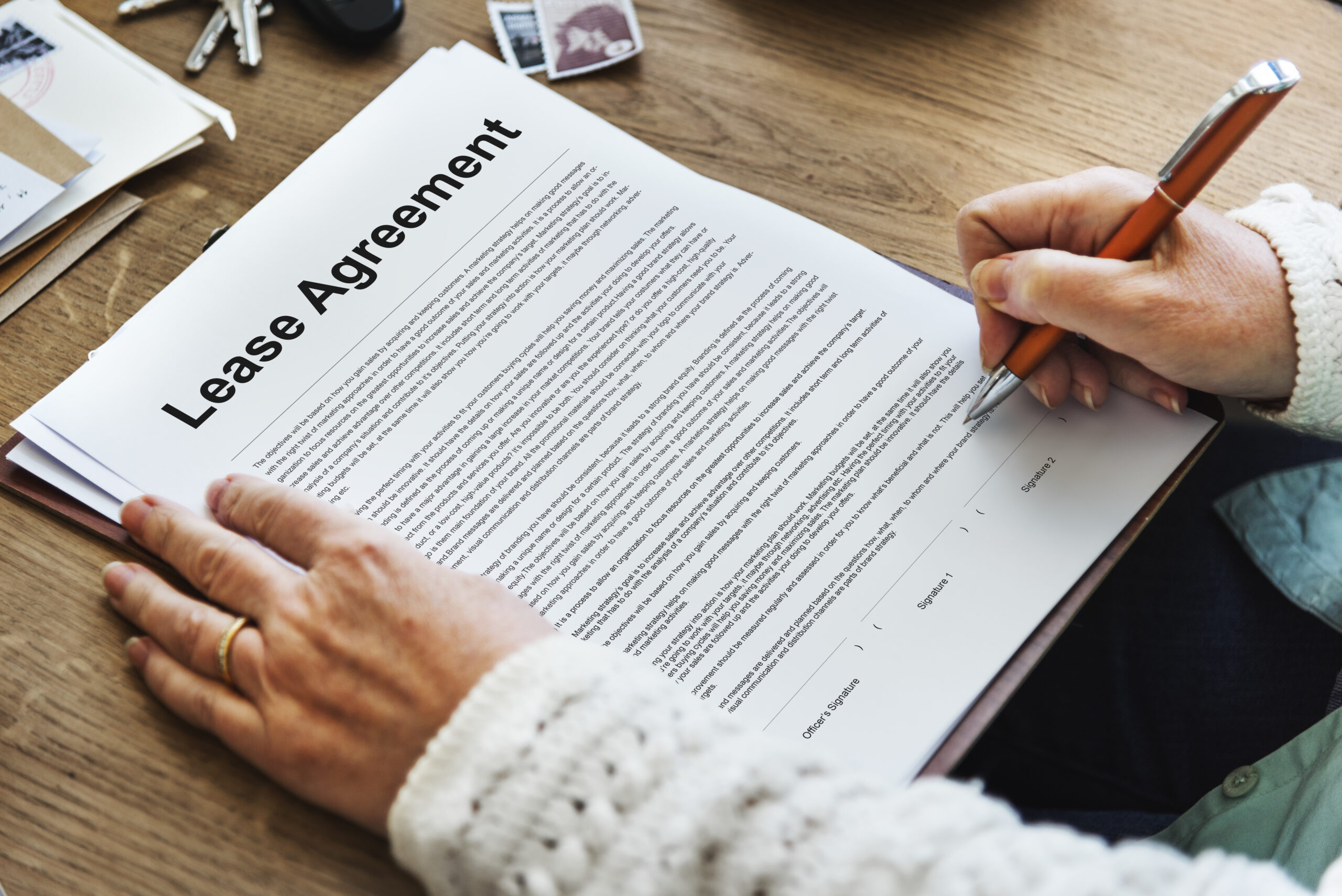
Our $295 flat-fee renewal includes a full attorney-drafted lease update with custom addendums tailored to your property — plus a market rate review so you’re not under-charging at renewal time. No hidden charges, no percentage games.
For landlords who want to extend beyond 12 months: a 13–24 month renewal is available for an additional $199 (total $494) — same attorney-drafted quality, same addendum customization, just a longer term for stability on both sides.
Good tenant + market rate increase + attorney-drafted new lease = maximum long-term return with minimal disruption. Everything else is more expensive.
The Bottom Line
Renewal decisions deserve more analysis than most landlords give them. A good tenant staying at a slightly updated rate, on a properly executed new lease, is almost always the most profitable path forward.
The math doesn’t lie: vacancy, turnover, and re-marketing cost far more than a flat renewal fee and a small rent adjustment. If you’re coming up on a renewal and aren’t sure what rate to set or how to handle the process — that’s exactly what we do.
Renewal Coming Up? Let’s Handle It Right.
We’ll review your current rate against market comps, draft the updated lease, and manage the entire renewal process — flat $295, no surprises.
Talk to Us About Your Renewal → See All Management Services


Join The Discussion