

Most landlords evaluate professional management by looking at the fee alone — and that’s the wrong starting point. The real question is what it actually costs to own a rental property when you count everything: mortgage, taxes, insurance, maintenance reserves, and an eviction fund. When you run those numbers side by side, the difference between self-managed and professionally managed is almost always smaller than landlords expect. Use our free calculator to see your full picture in under two minutes.
Can You Afford a Property Manager? The Real Cost of Owning a Rental Property in 2026

Most landlords frame the property management question wrong. They look at the management fee — 7%, 8%, 10% of monthly rent — and decide whether that number fits their budget. What they rarely do is look at the full cost of owning the property and ask the more important question: what does it actually cost to manage this myself?
When you run the real numbers — mortgage, taxes, insurance, HOA, maintenance reserves, eviction fund, and everything else — the management fee often looks very different than it did in isolation. For many landlords, the difference between self-managed and professionally managed is smaller than the cost of one deferred repair or one difficult tenant placement.
The Expenses Most Landlords Forget to Count
A rental property has fixed costs that hit every month whether occupied or not. Then it has reserve costs — money that should be set aside monthly to cover predictable future expenses. Most self-managing landlords track the fixed costs well. The reserves are where they consistently come up short.
Preventative Maintenance Reserve
The industry standard is to set aside 1%–5% of the property’s value annually — converted to a monthly amount. The right percentage depends on the age and condition of the property:
- 1% annually — newer construction, under 10 years old, all systems recently updated
- 2% annually — 10–20 year old home, good condition, regular upkeep
- 3% annually — 20–30 years old, some aging systems, moderate wear
- 4–5% annually — older construction, deferred maintenance, aging roof or HVAC
On a $350,000 property at 2%, that’s $7,000/year — or $583/month set aside for maintenance. Most self-managing landlords don’t reserve anything close to this. And then they’re surprised when the HVAC fails.
The Deferred Maintenance Problem
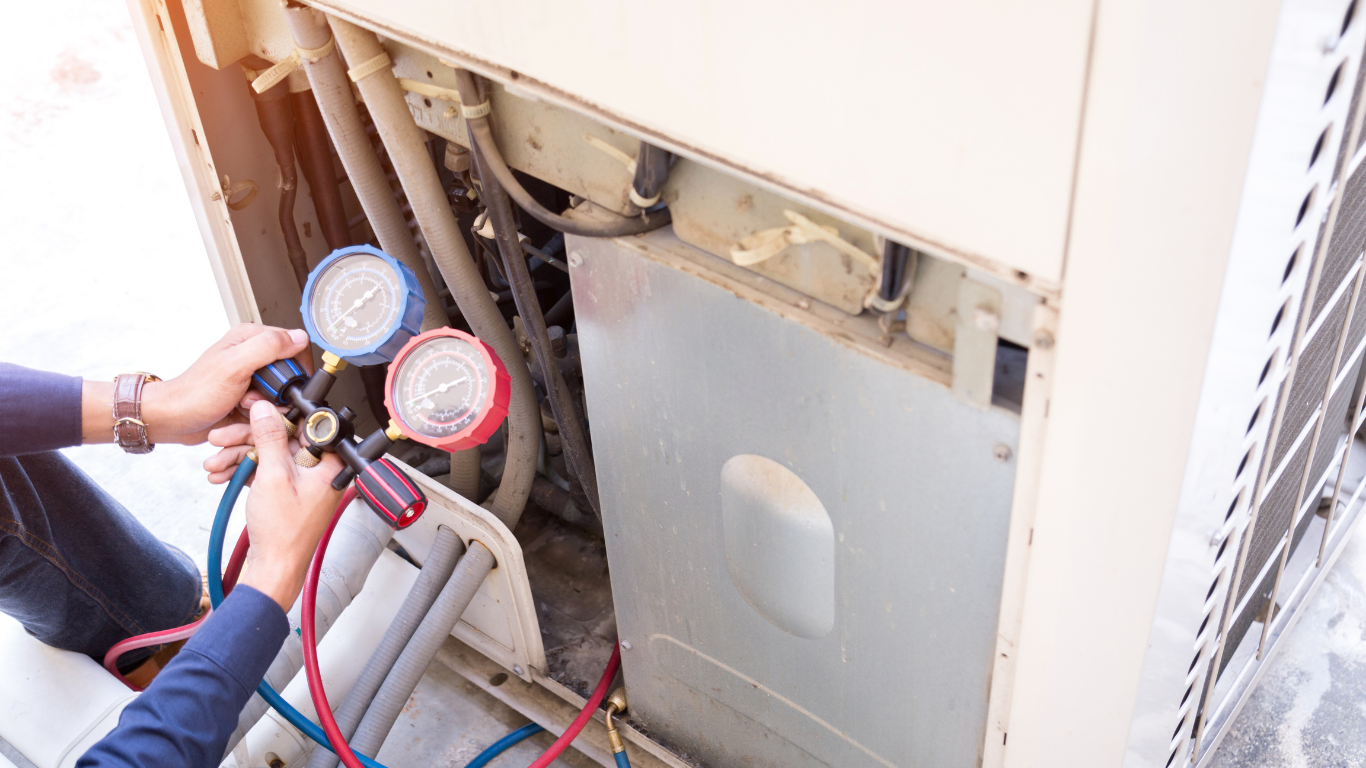
“The first expense most self-managing landlords cut when cash flow gets tight is preventative maintenance. It’s also the one that costs them the most in the long run. A $150 AC service call prevents a $4,000 compressor replacement. Doing a little every month is what separates properties that perform from ones that hemorrhage money at the worst possible time.”
— Ravena Andrews, Broker | RCA Realty Group – Property Management Division
| Maintenance Item | Annual Preventative Cost | Deferred / Emergency Cost |
|---|---|---|
| HVAC Service & Filter Changes | $150 – $250 | $3,500 – $8,000 replacement |
| Roof Inspection & Minor Repairs | $200 – $400 | $8,000 – $25,000 full replacement |
| Plumbing Check & Water Heater Flush | $100 – $200 | $1,500 – $6,000 water damage |
| Quarterly Pest Control | $400 – $600 | $5,000 – $20,000 structural damage |
| Exterior Caulking & Gutter Cleaning | $300 – $600 | $4,000 – $12,000 rot & repaint |
| Dryer Vent & Appliance Maintenance | $150 – $300 | $800 – $2,500 per appliance |
The Eviction Reserve Fund
Even with excellent screening, evictions happen — and the legal process costs money before you recover a single dollar. Filing fees, process server costs, and early attorney involvement can run $400–$800 before the case even gets to a hearing.
Setting aside a minimum of $20/month builds a steady cushion that covers most early-stage costs without touching your operating cash flow. If screening results raised any flags on your current tenant, consider $40/month. Having this funded before you need it keeps the process moving without financial disruption.
What Professional Management Actually Covers
RCA Realty Group – Property Management Division charges 7%–10% of collected monthly rent — performance-based, which means you only pay when rent is collected. No rent, no fee. On a $2,400/month rental at 8%, that’s $192/month.
What that covers:
- Streamlined maintenance system — tenants submit requests through the portal, vendors are dispatched and tracked, you never take a repair call
- All tenant and vendor communication handled — every call, text, and follow-up managed by our team. Your phone stays quiet.
- Lease and HOA compliance — lease terms enforced consistently, violations tracked and resolved before they become fines
- Faster turnover to market — move-in to move-out coordination, cleaners scheduled, unit documented, back on market faster. Every vacant day costs money.
- 4 property inspections per year — issues caught early, move-in and move-out documentation protects you at every transition
- Eviction process support — when rent isn’t collected, we guide you through every step so nothing gets missed and the timeline stays on track
- Attorney-drafted lease on every placement and renewal — legally current, Florida and Georgia compliant, built to protect you
- Credit reporting for tenants — on-time payments reported to all three bureaus, giving tenants a real incentive to pay consistently
- Air filter delivery service — filters delivered to tenants, installed in minutes, HVAC protected. Small service, significant return for the owner.
- Renters insurance — required and verified — every tenant carries coverage before move-in, protecting your property from tenant liability
The Side-by-Side Comparison Most Landlords Never Run
The question isn’t “can I afford the management fee?” The question is “when I look at all my actual costs — fixed, reserves, and management — what does my real cash flow look like in each scenario?”
For most landlords, the difference between self-managed and professionally managed cash flow is surprisingly small. And when you factor in what professional management prevents — one difficult placement, one deferred repair, one lease compliance issue — the math often tips clearly in favor of managed.
Run Your Real Numbers — Free
Our free interactive calculator puts all your actual costs on one screen and shows you the side-by-side comparison instantly.

When the Numbers Are Close — The Intangibles Decide It
For many landlords the calculator shows a relatively small monthly difference. When that happens the decision comes down to what you’re buying with that difference:
- Your time back — hours spent on maintenance calls, tenant screening, lease preparation, and late-rent conversations are real costs that don’t appear in a spreadsheet
- Reduced legal exposure — consistent, documented criteria and attorney-drafted leases protect you in ways that don’t show up until you need them
- Faster vacancy fill — professional placement typically gets units occupied faster, reducing vacancy loss
- Asset protection — regular inspections, vetted vendors, and proactive maintenance keep the property performing rather than deteriorating
- Peace of mind — owning a rental without it becoming a second job is worth something, even if you can’t put a number on it
The Bottom Line
Most landlords who come to RCA didn’t leave because they couldn’t handle the work. They left because they finally ran the real numbers — all of them, including the reserves and the time — and realized the difference wasn’t worth what they were trading away to capture it.
The question was never whether you could afford a property manager. It’s whether you can afford the alternative.
See the Full Picture — Free.
Run your property’s complete financial analysis at our free calculator. No login required, no sales call to see your numbers.
Run My Free Property Calculator → Schedule a Free Consultation
Join The Discussion